Skin infections: Types, treatment, and common causes
Skin infections occur when bacteria, viruses, fungi, or parasites invade the skin, often entering through cuts, wounds, or moist areas.
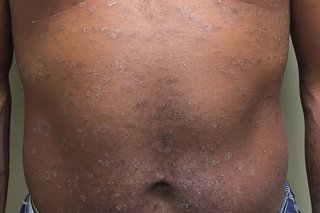
Types of skin infections: with pictures
There are several common types of skin infections, including bacterial (cellulitis, impetigo), viral (shingles, warts, pityriasis rosea), and fungal (athlete's foot, ringworm). Symptoms generally include redness, swelling, pain, itching, and pus.
Parasitic skin infections
Parasitic skin infections are conditions where organisms (such as mites, lice, or worms) live on or burrow into the skin to feed and reproduce. They are highly contagious, frequently spread through close contact or contaminated environments, and commonly cause intense itching, rashes, and visible skin lesions.
Bacterial skin infections
Bacterial skin infections occur when bacteria (usually Streptococcus or Staphylococcus) enter the body through hair follicles or breaks in the skin. They range from mild, localised sores to deep tissue infections. Mild cases often heal with topical care, while deeper infections require medical evaluation and antibiotics.
Common bacterial skin infections
- Cellulitis
- Impetigo
- Boils
- Hansen's disease (leprosy)
Fungal skin infections
Fungal skin infections (mycoses) are caused by microscopic organisms like dermatophytes or yeasts that invade the outer layers of the skin, hair, or nails. They thrive in warm, moist environments and are treated using topical or oral antifungal medications.
What are the main causes of fungal skin infections
- Through direct contact with an infected person or animal, including pets like dogs and cats.
- Sharing items such as clothes, towels, hairbrushes or bedding with an infected person.
- More rarely, from contact with soil.
- If fungi that normally live harmlessly in or on your body grow out of control.
Viral skin infections
Viral skin infections are conditions where viruses invade the skin or cause systemic illnesses that manifest as blisters, rashes, or lesions. They range from mild, localised growths to highly contagious systemic diseases, often spreading via direct skin contact or respiratory droplets.
Skin infections treatment
Skin infection treatment depends entirely on the underlying cause (bacteria, fungus, virus, or parasites) and severity. Treatment ranges from simple home care and over-the-counter (OTC) creams to prescription medications and professional medical procedures.
1. Bacterial Infections
Common types: Cellulitis, impetigo, boils; symptoms include redness, swelling, warmth, and pus.
- Home Care & OTC: Keep the area clean with mild soap and water. Use OTC antibiotic ointments like Neosporin or Bacitracin for minor scrapes and cuts.
- Prescription: Doctors will prescribe topical or oral antibiotics (e.g., mupirocin, cephalexin). For large, pus-filled boils, a healthcare provider may need to perform an incision and drain the abscess.
2. Fungal Infections
Common types: Athlete's foot, ringworm, yeast infections; symptoms include red, itchy, and scaly patches.
- Home Care & OTC: Keep the skin dry and cool. OTC treatments like clotrimazole (Lotrimin), miconazole, or terbinafine (Lamisil) are usually effective.
- Prescription: For stubborn or widespread infections, a doctor might prescribe stronger oral or topical antifungal medications.
3. Viral Infections
Common types: Herpes simplex, cold sores, warts, pityriasis rosea.
- Home Care & OTC: Cold compresses can reduce inflammation and discomfort. Warts can often be treated at home using OTC salicylic acid patches or gels.
- Prescription: Viruses cannot be cured, but antiviral creams or pills (e.g., acyclovir, valacyclovir) can speed healing, reduce symptoms, and prevent outbreaks.
4. Parasitic Infections
Common types: Scabies, lice infestations; symptoms include intense itching and visible burrows/rash.
- Treatment: Requires specific medicated creams, lotions, or shampoos (e.g., permethrin). Treatment of close contacts and thorough cleaning of personal items, bedding, and clothing are also required.
When to See a Doctor Immediately
Seek professional medical attention immediately if you experience:
- A fever, chills, or body aches.
- Rapidly spreading redness, swelling, or red streaks (a sign of spreading infection).
- Severe pain or fluid draining from the sore.
- An infection that fails to improve or worsens after a few days of OTC treatment.
FAQs
What are 6 common skin infections?
Skin infections are caused by fungi, bacteria, viruses, or parasites. Six common examples include Cellulitis (a bacterial infection of deep skin layers), Impetigo (a highly contagious bacterial infection causing sores), Ringworm (a fungal rash), Athlete's Foot (a fungal infection of the toes), Warts (caused by HPV), and Cold Sores (due to HSV-1).
What are two serious signs of a skin infection?
Seek urgent medical advice if:
- No improvement by 48 hours despite antibiotics.
- Rapidly spreading signs or symptoms.
- Signs of deeper infection (localised prominent swelling, swollen joints, etc).
- Increasing pain.
- Affected skin becomes dusky, purple or blistered.
What does a bacterial skin infection look like?
A bacterial skin infection typically presents as an inflamed, painful, and swollen area of skin. It may appear as red or discoloured patches, pus-filled pimples or boils, oozing blisters covered in honey-colored crusts, or a rapidly spreading rash that feels hot to the touch.
📍 Radiance Skin Center – Landmark Plaza, Argwings Kodhek Road, opposite Nairobi Hospital.
📞 +254111632411 | 💬 Book via WhatsApp