Psoriasis: Treatment, Types, Causes, and Symptoms
Psoriasis is a common autoimmune disease affecting both adults and children. It is particularly stubborn because scientists are not familiar with its main cause or cure. Here are some important facts regarding the disease.
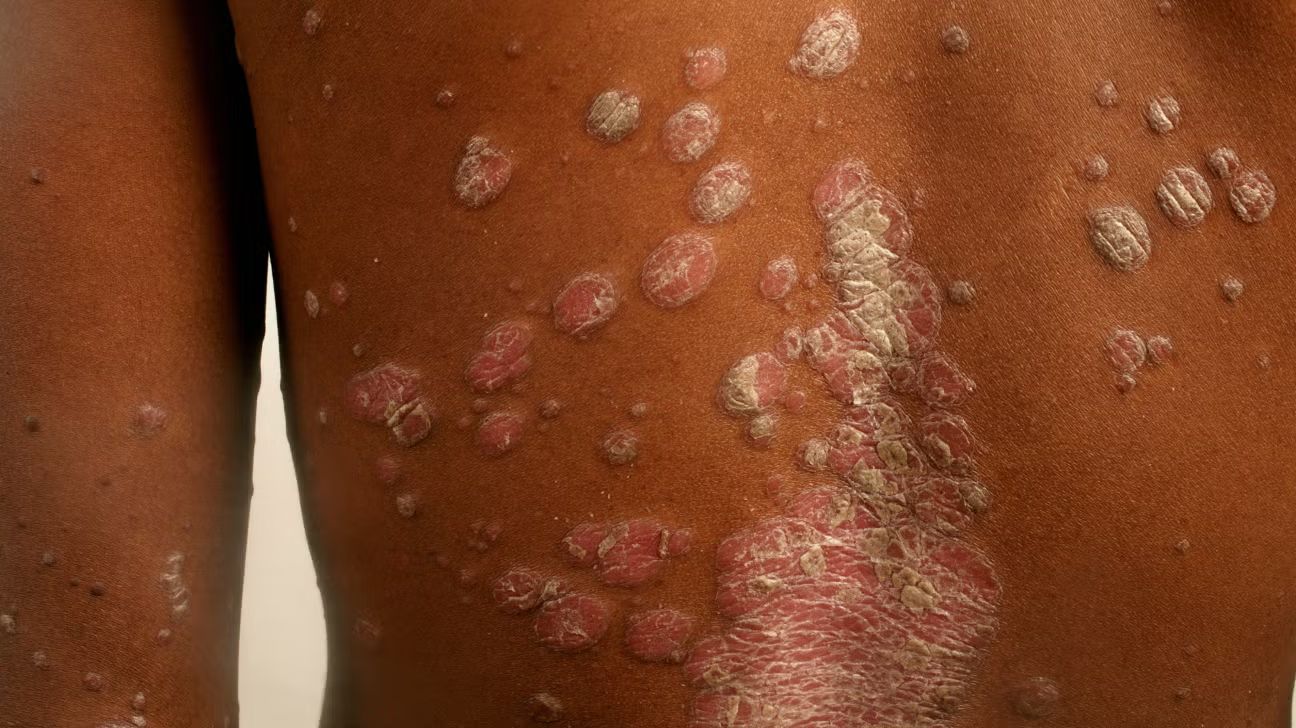
What is Psoriasis?
Psoriasis is a chronic, non-contagious autoimmune disease that causes the body to mistakenly attack healthy skin cells. This immune response causes skin cells to multiply up to ten times faster than normal, building up into thick, inflamed patches called plaques.
How do you treat psoriasis on the skin?
Psoriasis is a chronic, immune-driven skin condition requiring tailored treatment plans. While it is not curable, it is highly manageable. The right treatment depends on the severity, the area of the body affected, and any associated joint pain.
1. Psoriasis treatment creams
For mild to moderate cases, treatments are directly applied to the skin.
- Corticosteroids: The most frequently prescribed medications; they reduce inflammation and slow skin cell growth.
- Vitamin D Analogues: Compounds like calcipotriene that help regulate skin cell production.
- Salicylic Acid: Softens and helps remove thick plaques and scales.
- Coal Tar: A traditional treatment to reduce scaling, itching, and inflammation.
2. Phototherapy (Light Therapy)
When topicals aren't enough, controlled, medical doses of natural sunlight or artificial ultraviolet (UV) light can slow the excessive growth of skin cells. This is typically done in a doctor's office using narrowband UVB therapy.
3. Systemic and Biologic Medications
For moderate to severe psoriasis or cases accompanied by psoriatic arthritis, prescription oral or injected medications are utilised.
- Traditional Systemics: Pills such as cyclosporine, methotrexate, or acitretin that suppress the overall immune system.
- Biologics & Targeted Systemics: Advanced, highly effective injectables (e.g., TNF-alpha inhibitors, IL-17, or IL-23 blockers) that target the specific inflammatory pathways causing the disease.
4. Home Care & Lifestyle
Daily self-care goes a long way in soothing flares and minimising irritation:
- Moisturise Heavily: Use thick, ointment-based moisturisers immediately after bathing to lock moisture into the skin.
- Avoid Triggers: Identify and limit exposure to triggers like cold weather, stress, skin injuries, and smoking.
Types of Psoriasis
There are five types of psoriasis.
1. Plaque Psoriasis
- Appearance: Raised, red, or discoloured patches covered with silvery-white scales. The image above shows this most common form on darker skin.
- Location: Most common on the elbows, knees, scalp, and lower back.
- Details: This is the most prevalent form, affecting roughly 80% to 90% of all psoriasis patients.
Note: Scalp psoriasis is a common form of plaque psoriasis that occurs on the scalp.
2. Guttate Psoriasis
- Appearance: Small, drop-shaped, red or scaly spots.
- Location: Typically appears on the trunk, arms, and legs.
- Details: Most common in children and young adults, often triggered by upper respiratory infections like strep throat.
3. Inverse Psoriasis
- Appearance: Smooth, shiny, and red or dark patches without thick scaling.
- Location: Appears in skin folds, such as the groin, armpit, under the breasts, and between the buttocks.
- Details: Friction and sweating make symptoms worse.
4. Pustular Psoriasis
- Appearance: Raised, pus-filled bumps (pustules) surrounded by red or discoloured skin.
- Location: Can be localised to the hands and feet or widespread across the body.
- Details: Can be triggered by certain medications, sudden withdrawal from treatment, or stress.
5. Erythrodermic Psoriasis
- Appearance: Severe, widespread redness and peeling over nearly the entire body.
- Location: Covers more than 90% of the body.
- Details: A rare but medical emergency that causes intense pain, itchiness, and disrupts the body's temperature regulation.
What is the main cause of psoriasis?
The exact root cause of psoriasis is not fully understood, but it is driven by a combination of key factors:
- Immune System Malfunction: Infection-fighting T-cells become overactive and mistakenly attack skin cells, triggering inflammation and rapid skin cell growth.
- Genetics: A strong genetic predisposition exists. Inheriting specific genes increases your likelihood of developing the condition, though it can occur without a family history.
Common Environmental Triggers
While the underlying cause is genetic and autoimmune, flare-ups are frequently activated by external factors, including:
- Infections: illnesses like strep throat or skin infections
- Skin Injuries: Cuts, scrapes, bug bites, or severe sunburns (known as the Koebner phenomenon)
- Stress: High levels of emotional or physical stress
- Climate: Cold, dry weather conditions
- Medications: Certain high blood pressure drugs, lithium, or anti-malarial drugs
- Lifestyle Habits: Heavy alcohol consumption and smoking
Psoriasis is not contagious and cannot be spread from person to person.
Psoriasis symptoms
Symptoms of psoriasis include:
- Red, brown, or purple patches of skin
- Patches of thick, raised skin (plaques)
- Itching
- Dry skin that may crack or bleed
- Irritation, burning, or stinging
- Pustules or blisters
- Changes to nails
- Flaking of dead skin
Psoriasis vs. eczema
Psoriasis is often confused with eczema due to the similarity of their symptoms.
- Both are genetic.
- Both are triggered by stress, among other things.
- Both don't have a clear root cause or main cure.
Eczema doesn't have a clear cause, but for some people, it may have to do with a genetic variation that makes it hard for their skin to hold onto moisture and protect itself.
In children, eczema often looks like a dry, scaly rash. This rash tends to be red in children with lighter skin and grey in children with darker skin. In adults, the rash may feel rougher, thicker, and more leathery. It may also be darker. Both children and adults may get inflamed patches that leak clear fluid before drying into a crust. Eczema is usually itchier than psoriasis. It's also more common, affecting four times as many people.
When you have psoriasis, patches of skin cells grow too quickly. These cells quickly pile on top of each other, forming dry scales or plaques. These scales are more clearly defined than those in eczema and are usually silver, white, or red. The affected skin is often itchy or painful. Because of the buildup of skin cells, the rash tends to be thicker, more raised, and more inflamed than eczema.
Psoriasis is a common skin condition that affects many people. Although it doesn't have a clear-cut treatment pathway, with proper management of the symptoms and triggers, you can live a healthy and full life.
📍 Radiance Skin Center – Landmark Plaza, Argwings Kodhek Road, opposite Nairobi Hospital.
📞 +254111632411 | 💬 Book via WhatsApp