Keloids: Treatment, Meaning, Causes, and Symptoms
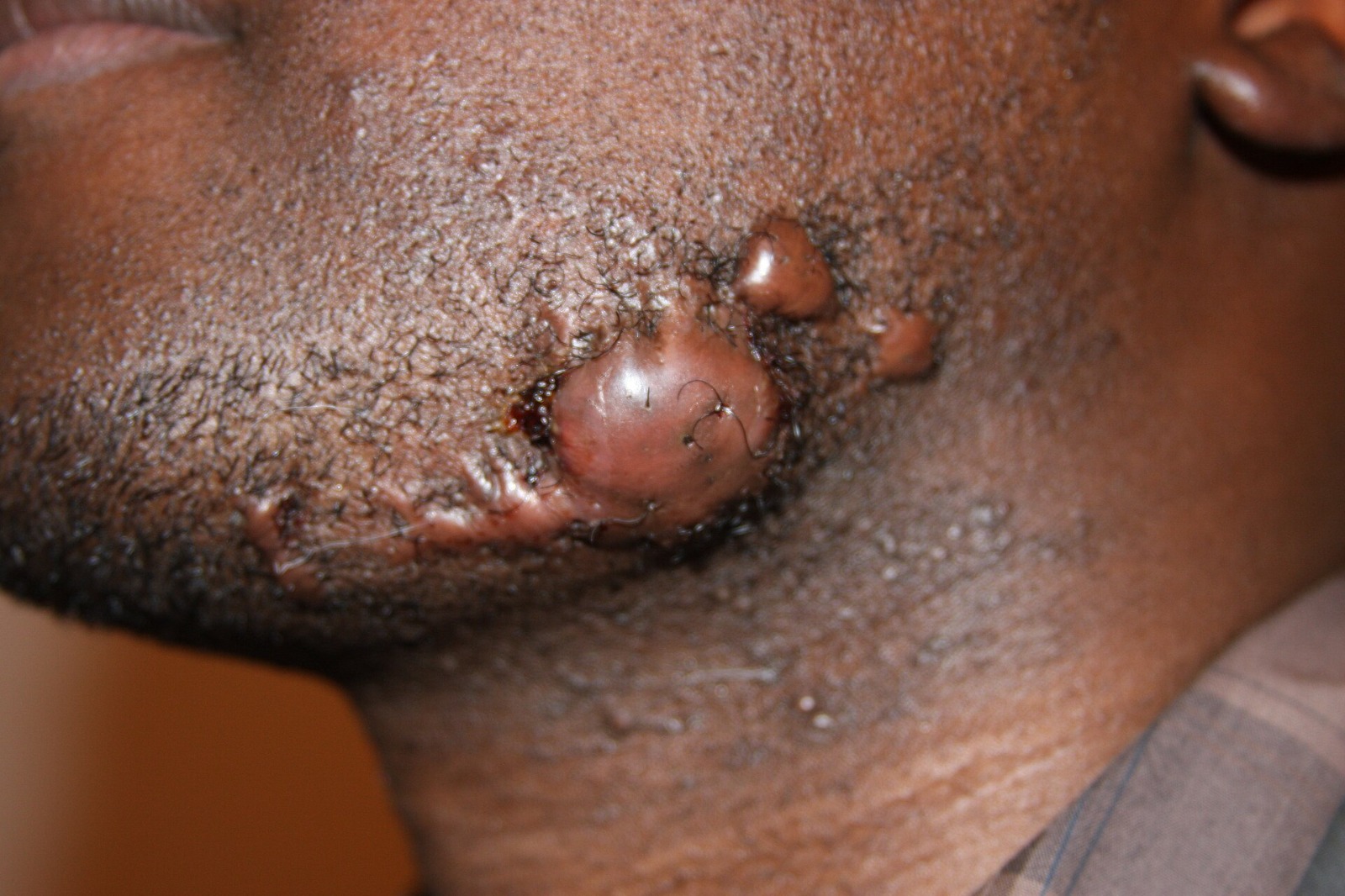
What are Keloids?
A keloid is an abnormal, raised scar that grows far beyond the boundaries of an original skin injury. They form when the body produces excess collagen protein during the healing process.
Keloids treatment
Keloid treatments focus on flattening, shrinking, or fading the scar, as they rarely disappear completely and frequently recur. Because keloids have a high rate of returning, dermatologists typically combine multiple therapies—such as corticosteroid injections, silicone treatments, and cryotherapy—to achieve the best cosmetic and symptomatic results.
Non-Surgical Options
- Corticosteroid Injections: The most common first-line treatment. Injections are typically administered every 4 to 6 weeks to reduce inflammation and collagen production, helping the keloid flatten over several months.
- Cryotherapy: Liquid nitrogen is used to freeze the keloid, causing it to shrink or fall off. This is highly effective for small keloids but can cause permanent lightening of the skin.
- Silicone Gel Sheets or Drops for keloids: Medical-grade silicone applied to the keloid for 12 to 24 hours daily (for 2 to 6 months) helps flatten the scar, reduce redness, and relieve itching.
- Laser Therapy: Pulsed-dye lasers can flatten larger keloids, ease itchiness, and reduce discoloration.
- Compression Therapy: Applying constant, firm pressure to the scar using specialized garments or pressure earrings (for earlobe keloids) helps prevent growth and recurrence.
Surgical & Advanced Treatments
- Surgical Excision: Cutting the keloid away. Surgery is rarely done as a standalone procedure because removing the scar can trigger a larger regrowth.
- Adjuvant Radiation Therapy: To prevent keloids from returning after surgical removal, superficial radiation therapy is often administered within 24 to 48 hours of the surgery.
- Other Injectables: For keloids that are resistant to standard steroids, doctors may inject other medications, such as 5-fluorouracil (5-FU) or verapamil, often in combination with other treatments.
What causes keloids?
Keloids are caused by an abnormal wound-healing response where the body produces excess collagen (a structural protein) to repair damaged skin. Unlike normal scars, this overgrowth of fibrous tissue continues to expand well beyond the boundaries of the original injury.
Known Triggers
Keloids can develop after virtually any skin alteration, including:
- Surgical incisions, tattoos, and body piercings.
- Severe acne or chickenpox lesions.
- Minor injuries like scratches, insect bites, or burns.
- In rare instances, they can even appear spontaneously with no known injury.
Risk Factors
While the exact molecular cause remains unclear, several factors significantly increase the likelihood of developing keloids:
- Genetics: Keloids run in families, indicating a strong hereditary component.
- Skin Tone: They are most common in individuals with dark skin tones (including those of African, Asian, and Hispanic descent), as well as individuals with brown or Black skin.
- Age: They frequently develop in people between the ages of 10 and 30.
Keloids Symptoms
Key symptoms include:
- Appearance: Shiny, hairless, lumpy, and firm or rubbery to the touch.
- Color: Ranging from pink and red to brown, purple, or darker than your natural skin tone.
- Growth: Develops slowly (sometimes taking months or years to appear) and grows larger than the initial wound.
- Sensations: Frequently accompanied by intense itching, pain, or a burning sensation, particularly while the scar is actively growing.
Common areas for keloids include the chest, shoulders, earlobes, and cheeks. They can develop after minor injuries like acne, piercings, insect bites, or surgery.
FAQs
Where are keloids most common?
Keloids are most common on the chest, shoulders, earlobes, jaw and cheeks, and upper back. They can also form on C-section scars.
Can keloid be removed?
Yes, keloids can be reduced and removed, but there is no guaranteed permanent cure, as they have a high chance of recurring. Because keloid removal surgery alone often causes the scar to grow back larger, doctors typically combine surgical removal with other therapies to prevent regrowth.
How to treat keloids at home
It is not recommended to treat keloids at home as you can further aggravate the scar, causing the keloid to grow even more aggressively. You could also infect the wound, which is one of the causes of keloid scars. So, if you notice a keloid growing, it is recommended that you consult a dermatologist.
📍 Radiance Skin Center – Landmark Plaza, Argwings Kodhek Road, opposite Nairobi Hospital.
📞 +254111632411 | 💬 Book via WhatsApp