Acne treatment in Kenya
Acne has been a very pervasive skin condition that affects many young people today. Excessive breakouts might dampen your confidence, preventing you from being the best version of yourself. It is therefore advisable to visit a dermatologist if this condition persists.
What is Acne
Acne (medically known as acne vulgaris) is a common skin condition that occurs when hair follicles under the skin become clogged with oil (sebum) and dead skin cells. This blockage causes outbreaks of blemishes, including blackheads, whiteheads, and painful, pus-filled pimples or cysts.
What causes acne?
There are several causes of Acne, including:
Biological triggers
- Excess Oil (Sebum) Production: Sebaceous glands in the skin produce oil to lubricate your hair and skin. Hormonal shifts can cause these glands to overproduce oil.
- Clogged Follicles (Hyperkeratinization): Dead skin cells do not shed properly and mix with the excess oil, plugging the hair follicles and forming whiteheads or blackheads.
- Bacterial Growth: A bacterium called Cutibacterium acnes (C. acnes) naturally lives on the skin. When trapped in clogged, oily pores, it multiplies rapidly.
- Inflammation: The bacteria and the buildup of debris trigger the body's immune response, resulting in red, swollen, and sometimes painful cysts or pimples.
Underlying Triggers
- Hormones: Fluctuations during menstrual cycles, puberty, pregnancy, or medical conditions (like PCOS) are the most common triggers.
- Genetics: A family history of acne is a major determining factor in how your skin reacts to these biological processes.
- Stress: High stress increases cortisol levels, which can stimulate oil production.
- Diet: Studies link specific diets—such as those high in glycemic foods or dairy (like skim milk)—to acne flare-ups in some individuals.
- Medications: Drugs containing corticosteroids, testosterone, or lithium can trigger breakouts.
The best Acne treatments
Depending on the severity of your acne, several treatments exist.
1. Over-the-Counter (OTC) Actives
For mild to moderate acne, these proven ingredients treat and prevent breakouts:
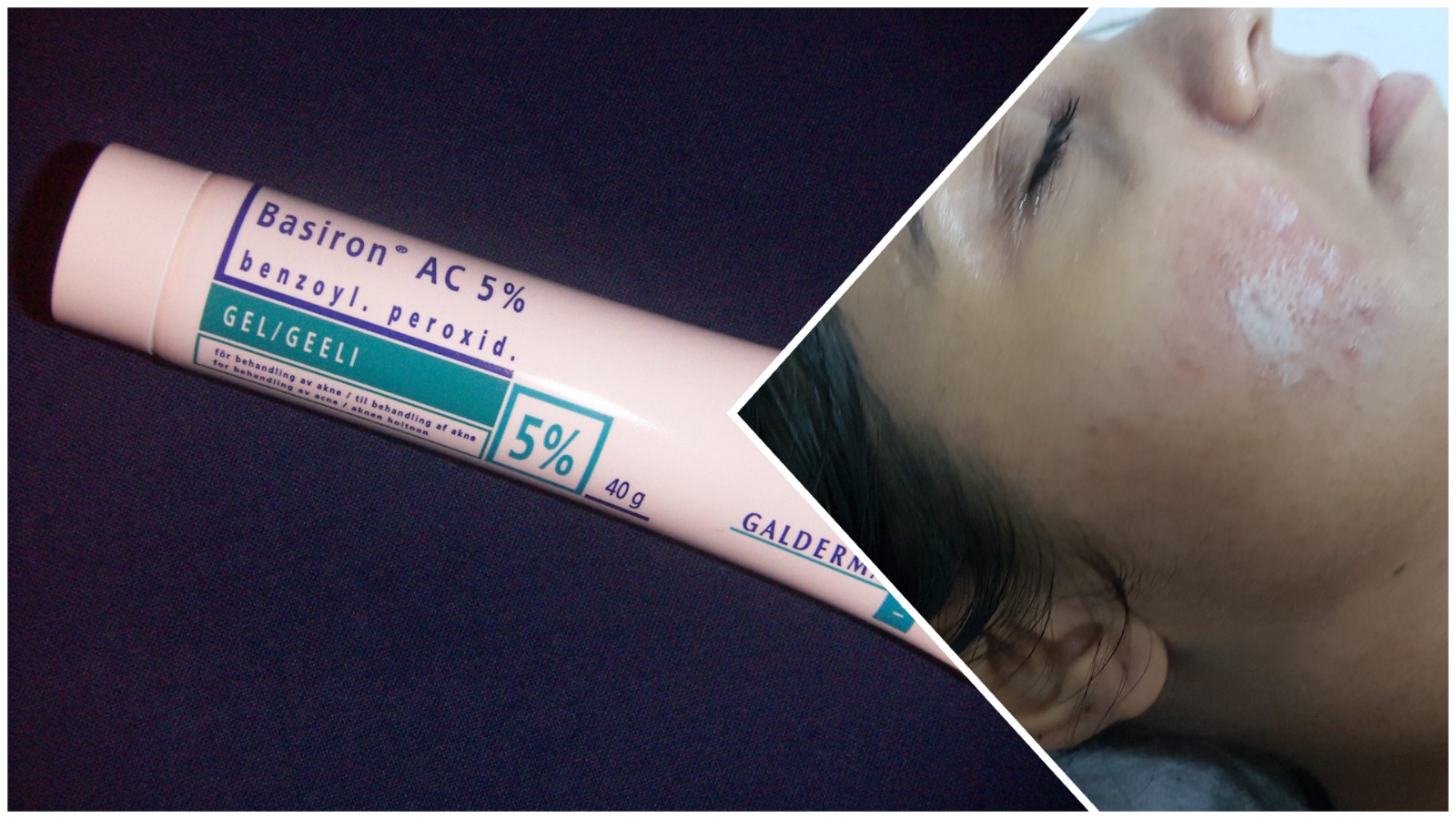
- Benzoyl Peroxide: Kills surface bacteria that cause acne and helps remove excess oil. Studies show that lower-strength, water-based products (e.g., 2.5%) are just as effective as stronger ones but are much less irritating. The image above shows a benzoyl peroxide gel, a common first-line treatment.
- Salicylic Acid: Penetrates pores to dissolve dead skin cells and prevent clogging. It is highly effective for treating and preventing blackheads and whiteheads.
- Retinoids: Vitamin A derivatives like Adapalene (0.1%) promote skin cell turnover to keep pores clear and fade dark spots.
2. Prescription Treatments
If OTC options do not clear your acne after several weeks, a doctor may prescribe:
- Topical retinoids: Prescription-strength creams like Tretinoin are standard for severe breakouts and preventing scarring.
- Hormonal Therapies: Medications like Spironolactone or specific Oral Contraceptives regulate oil-producing hormones in women.
- Oral or topical antibiotics: Used to rapidly reduce inflammation and acne-causing bacteria.
- Isotretinoin: A powerful oral vitamin A derivative often prescribed for severe or persistent acne that resists all other treatments.
3. Essential Skincare Routine
To maximise the effectiveness of acne treatments, build a foundation that protects your skin barrier:
- Gentle Cleansers: Avoid harsh, stripping soaps.
- Moisturisers: Use oil-free, non-comedogenic moisturisers that contain ceramides.
- Sun Protection: Protect healing skin with an SPF 50+ sunscreen to prevent dark post-inflammatory marks from persisting.
4. Dermatological Procedures
For stubborn or heavily scarred skin, in-office treatments such as chemical peels, laser resurfacing, or microdermabrasion can physically free clogged pores and resurface the skin.
FAQs
How do I clear acne on my face?
To remove acne from your face, establish a consistent daily skincare routine focusing on cleansing, targeted spot treatments, and oil-free moisturising. Avoid harsh scrubbing or popping pimples, as this worsens inflammation and causes permanent scarring.
How to cure acne in 7 days?
To clear acne quickly, use targeted over-the-counter spot treatments like benzoyl peroxide to kill bacteria or salicylic acid to unclog pores. Never pop pimples, as this worsens inflammation and causes scarring. For a localised 7-day routine, combine these treatments with a strict regimen to rapidly reduce breakouts.
How to permanently cure acne?
While severe acne cannot always be permanently "cured" with absolute certainty, it can often be fully and permanently cleared. The closest medical treatment to a permanent resolution is a prescribed course of Isotretinoin (formerly known as Accutane), which permanently alters oil glands. Prevention is always better than cure. So the best acne treatment is to maintain a strict skin care routine. Remember to cleanse and moisturise your skin, and maintain a diet free from excess glycemic foods.
📍 Radiance Skin Center – Landmark Plaza, Argwings Kodhek Road, opposite Nairobi Hospital.
📞 +254111632411 | 💬 Book via WhatsApp